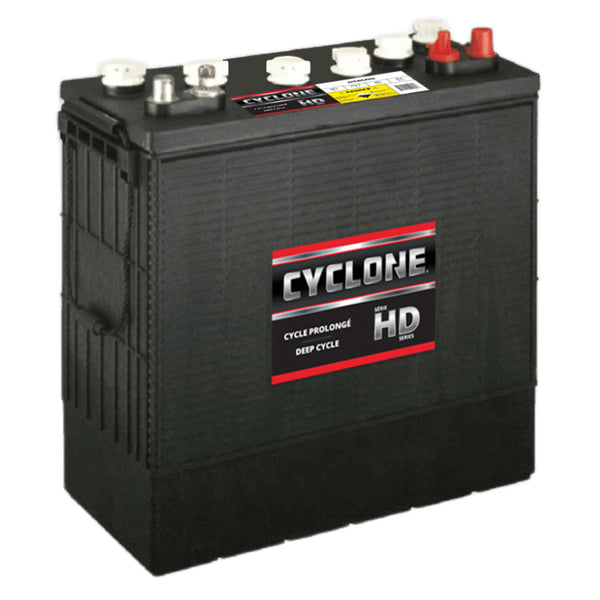
Deep-Cycle Batteries — Canada

Deep Cycle Batteries

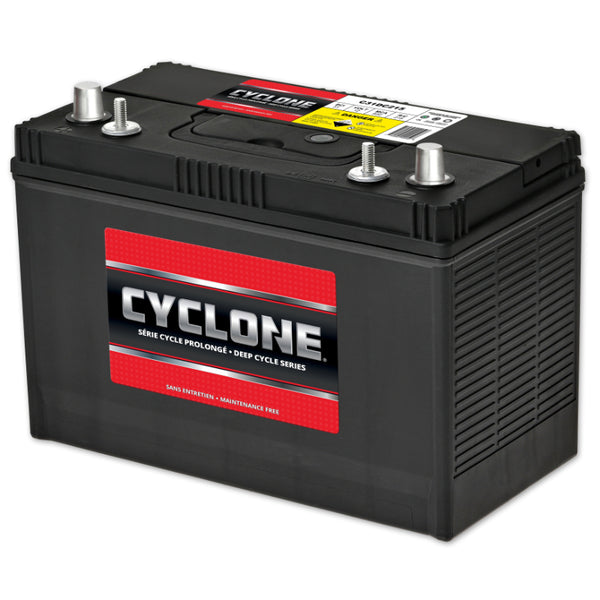
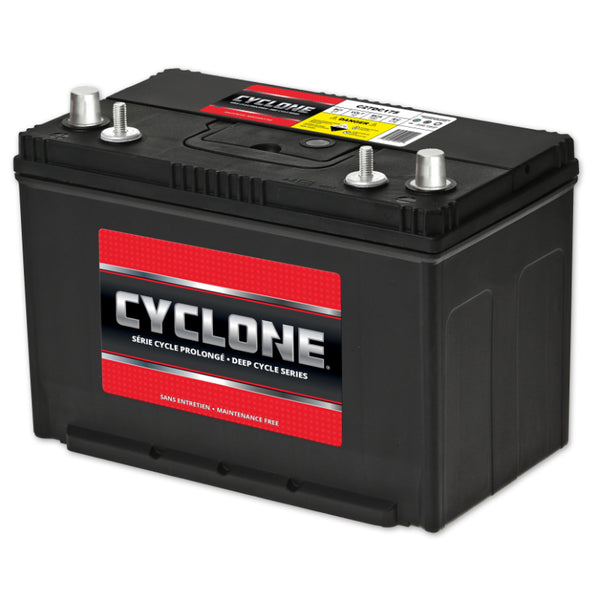
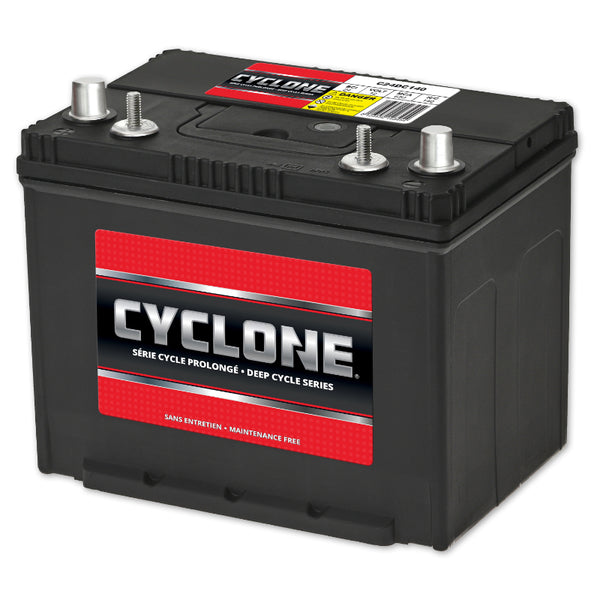
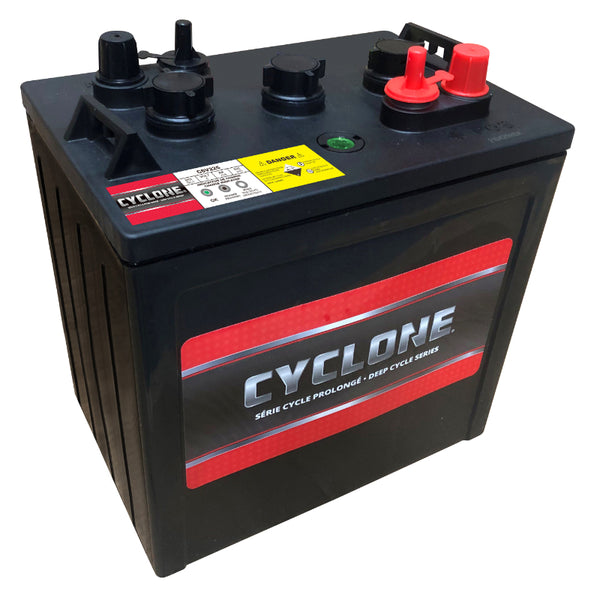
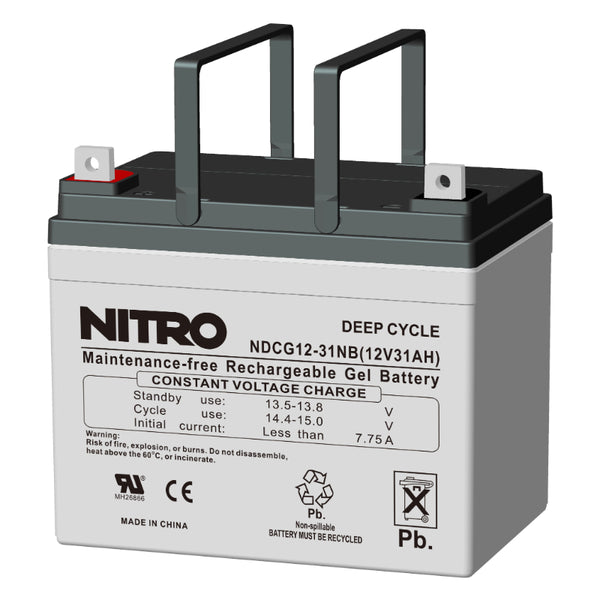
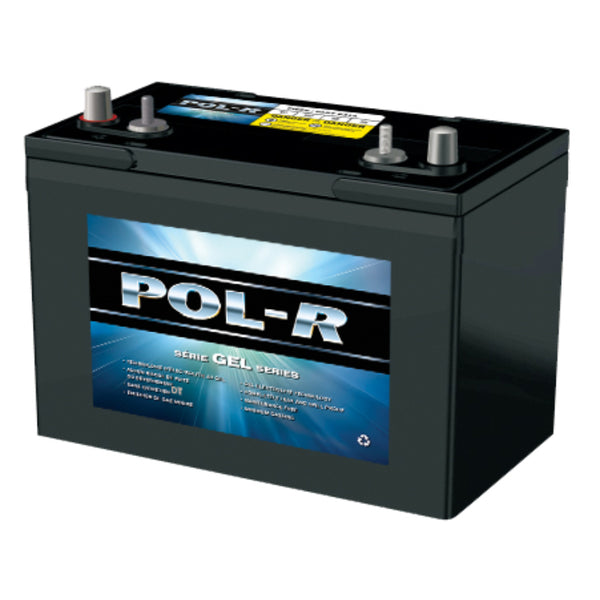
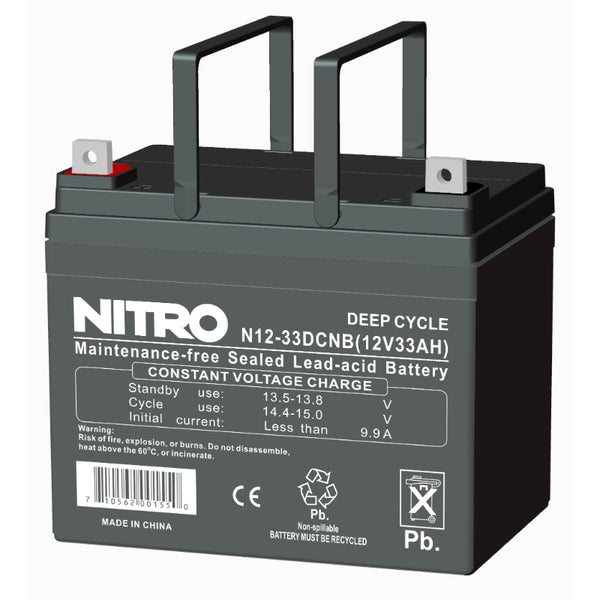
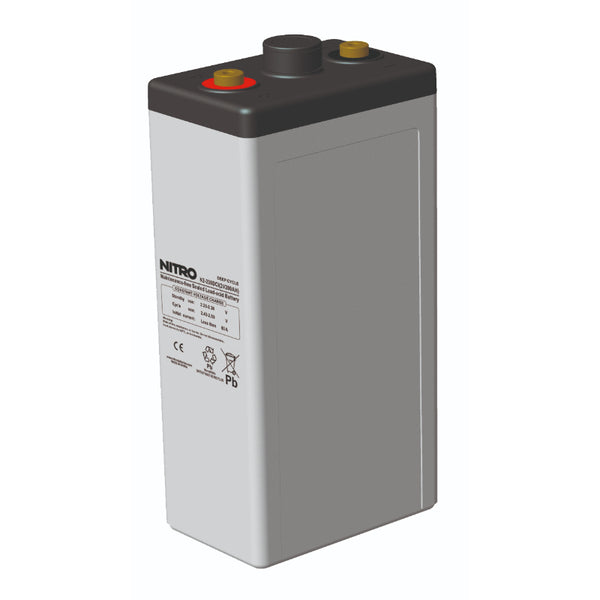
Deep-cycle batteries for off-grid cabin, RV house bank, marine accessories, and emergency backup — flooded, AGM, gel, and LiFePO₄ lithium in BCI group sizes 24 to 8D. Sustained low-current discharge over hours, tolerates many deep cycles.

  • Ships from Canada
  • Canadian shipping
  • 1-year warranty

Deep Cycle Batteries catalogue

Showing 1-0 of 0

No products match the current filters.

About Deep Cycle Batteries

What is a deep-cycle battery?

A deep-cycle battery is built for sustained low-current discharge over many hours, then full or near-full recharge, repeated thousands of times. Internally, deep-cycle batteries use thicker, fewer plates than starting batteries — trading peak cranking current for tolerance of deep discharge. The right choice for off-grid cabin energy storage, RV house bank, marine accessory loads, emergency backup with inverter, and any application where the battery is regularly discharged below 50 % state-of-charge.

UPSPLUSBATTERY.CA stocks deep-cycle batteries in BCI group sizes from Group 24 (~75 Ah) up to 8D (~250 Ah) across flooded, AGM, gel, and LiFePO₄ lithium chemistries. For starting batteries, see marine starting batteries. For chargers, inverters, and inverter-chargers, see chargers and inverters. For solar charge sources, see solar panels.

Deep-cycle chemistries

ChemistryCycle life (50 % DOD)Usable DODNotes
Flooded lead-acid~500–1200 cycles~50 %Lowest cost, requires electrolyte maintenance
AGM (absorbed glass mat)~600–1500 cycles~50 %Sealed, spill-proof, vibration-tolerant, no maintenance
Gel~500–1000 cycles~50 %Sealed, deep-cycle tolerant, sensitive to overcharge
LiFePO₄ lithium~3000–7000 cycles~80–100 %Higher upfront, lighter, longer life, BMS required

For most off-grid cabin / RV / marine deployments, AGM is the workhorse choice — sealed, vibration-tolerant, no electrolyte maintenance. LiFePO₄ is the upgrade tier — higher upfront cost paid back over deployment life through more usable capacity per Ah and more cycles before replacement.

How to choose

Sizing the bank

Determine total daily watt-hour load (sum of each load × hours per day) → multiply by autonomy days (typically 2–3 cloudy days for solar / off-grid) → divide by usable DOD (50 % for AGM, 80 % for lithium) → divide by bank voltage to get total Ah. Example: 1000 Wh/day × 3 days ÷ 0.5 (AGM) ÷ 12 V = 500 Ah at 12 V.

Group size

Match BCI group size to your battery box / mounting hardware. Group 24 (~75 Ah), Group 27 (~95 Ah), Group 31 (~105 Ah), 4D (~200 Ah), 8D (~250 Ah). Physical dimensions and terminal positions vary per group.

Voltage architecture

12 V is the marine / RV / cabin standard. 24 V or 48 V architecture (multiple 12 V batteries in series, or 6 V golf-cart batteries in series) reduces wire size for higher-power inverters above ~1500 W continuous.

Charging

Match the charger to the chemistry. Multi-stage charger with explicit AGM / gel / lithium profile. Lithium needs a CC/CV profile and lithium-compatible BMS. Solar via MPPT controller.

Installation and warranty

Deep-cycle batteries should be installed in a battery box with hold-down hardware to prevent movement. AGM and lithium are spill-proof and accept any orientation; flooded must be installed upright. Wiring sized to the load (refer to current draw at full inverter output). Always install a fuse / breaker at the battery terminal — within 45 cm — sized to 125 % of inverter max current. Manufacturer warranty per brand on individual product pages; UPSPLUSBATTERY 1-year warranty on every battery.

FAQ

Deep-cycle vs starting?

Deep-cycle: sustained low-current discharge over hours, tolerates deep discharge. Starting: brief high-current burst for engine cranking, intolerant of deep discharge. Wrong battery for the job dramatically shortens life — don't use a starting battery as a house bank.

AGM vs flooded?

AGM is sealed, spill-proof, vibration-tolerant, no electrolyte maintenance. Modest cost premium. For most off-grid / RV / marine: AGM is the standard recommendation. Flooded is the budget option in stationary, ventilated, upright-mount applications.

LiFePO₄ worth it?

For long-deployment off-grid (5+ years), high-cycle applications, or where weight matters (RV / marine): yes. ~3× cycle life vs AGM and 80 % usable DOD vs 50 % means a smaller lithium bank can replace a larger AGM bank. Upfront cost is higher; total cost over deployment life is often lower.

50 % DOD — why not deeper?

For AGM and flooded, discharging below 50 % shortens cycle life dramatically — going to 80 % DOD repeatedly cuts cycle life by 60–70 %. LiFePO₄ tolerates 80–100 % DOD without significant life impact, which is why lithium banks can be smaller for the same usable capacity.

Charging time?

AGM bank charges at 10–20 % of bank Ah / hour. 200 Ah bank with a 30 A charger refills 50 % DOD (100 Ah) in roughly 4 hours bulk + 2 hours absorption = ~6 hours total.

Cold weather operation?

AGM and flooded operate down to about –20 °C with reduced capacity. LiFePO₄ should not be charged below 0 °C without a heater (discharge to 0 °C is acceptable). For Canadian winter cabin deployment, ensure the battery box is heated or use heated lithium models.

Disposal?

Lead-acid (flooded, AGM, gel): 99 % recyclable. Municipal hazardous-waste depot, Call2Recycle, retail battery exchange. Lithium: certified lithium-battery recycler — return to us with new pack purchase.

Warranty?

Manufacturer warranty per brand on individual product pages. UPSPLUSBATTERY 1-year warranty on every battery.

Why buy from UPSPLUSBATTERY.CA
Sizing an Off-Grid Bank?

Canadian deep-cycle batteries from stock.

Our Canadian team has specified APC, Eaton, Tripp Lite, Vertiv, Mitsubishi, Toshiba, CyberPower, XPC, and Delta UPS for healthcare, data centres, and government. Enquiries answered in business hours.